
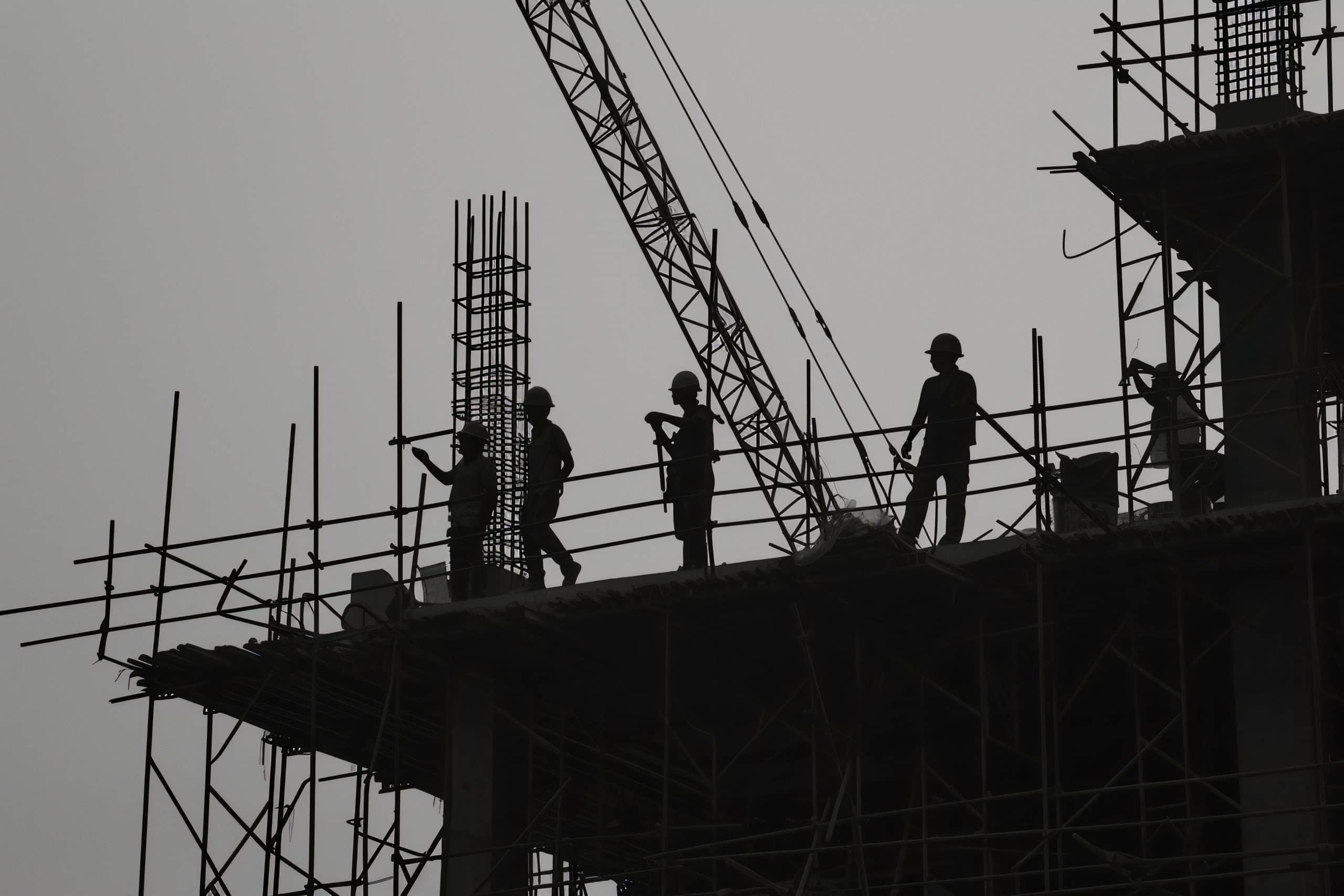
According to TBC Capital, the rising cost of construction over recent years has been driven primarily by record-high prices for building materials. Between 2020 and 2022, global supply chain disruptions, sharp increases in raw material prices, and growing demand led to a substantial rise in construction costs. As a result, the overall construction cost index increased by approximately 45–50%, and although prices stabilized between 2023 and 2025, they remain significantly above pre-pandemic levels.
The bank’s report highlights that infrastructure projects, especially utilities, experienced the steepest price increases. Road and railway construction costs rose more moderately but still remain well above pre-pandemic levels. The price dynamics in these sectors are closely linked to global oil and energy markets, given the heavy reliance on bitumen and concrete.
In 2025, for the first nine months, bitumen imports fell by 27% year-on-year, likely affecting infrastructure project timelines. Cement demand decreased slightly by 2%, totaling 2.29 million tons, while asphalt-concrete production fell 14% to 1.24 million tons compared to the same period in 2024.
Steel rebar demand also declined, dropping 11% from 491,000 tons to 435,000 tons over the same period. Overall, TBC Capital emphasizes that despite some stabilization, construction material prices remain high, continuing to increase the costs of infrastructure development in Georgia.
