Waking up in Mtskheta-Mtianeti means watching the first rays of sunlight touch ancient monasteries, while the snow-capped Caucasus Mountains rise in the distance. It is a region where every road leads to a story, every mountain holds a legend, and every landscape feels like a page from Georgia’s history book.
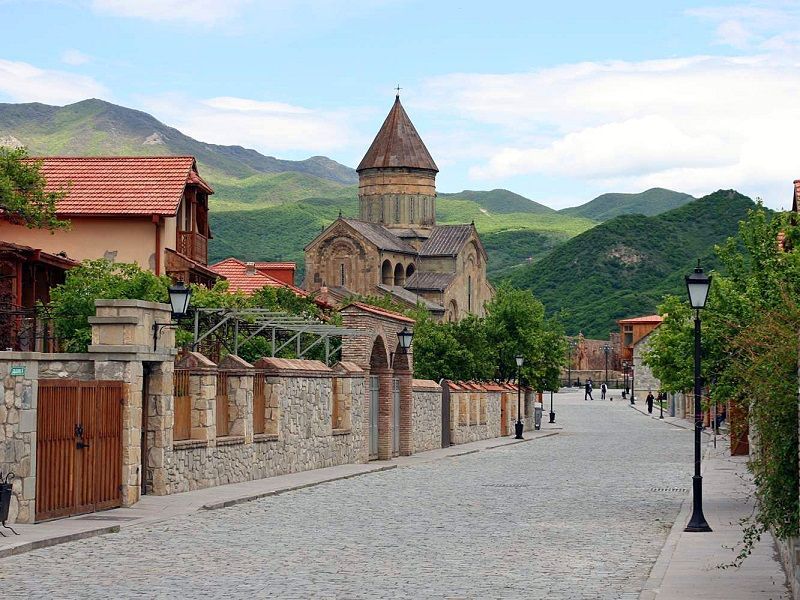
The Cradle of Georgian Christianity
Mtskheta-Mtianeti is located in northeastern Georgia and is home to some of the country’s most important historical, cultural, and natural landmarks.
At its heart lies Mtskheta, the ancient capital of the Kingdom of Iberia and one of Georgia’s oldest cities. Often referred to as the spiritual heart of the nation, Mtskheta played a central role in the adoption of Christianity in the 4th century.
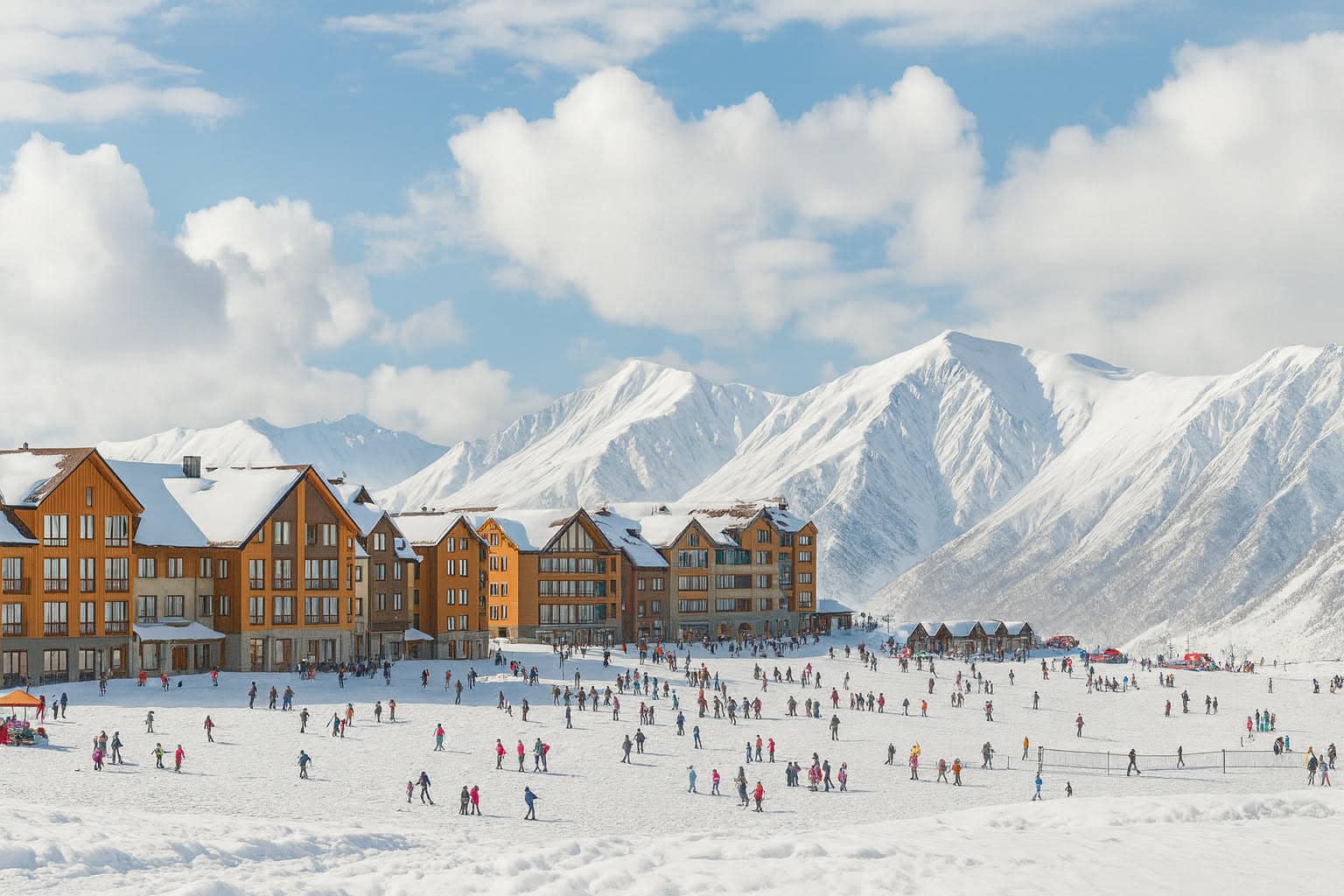
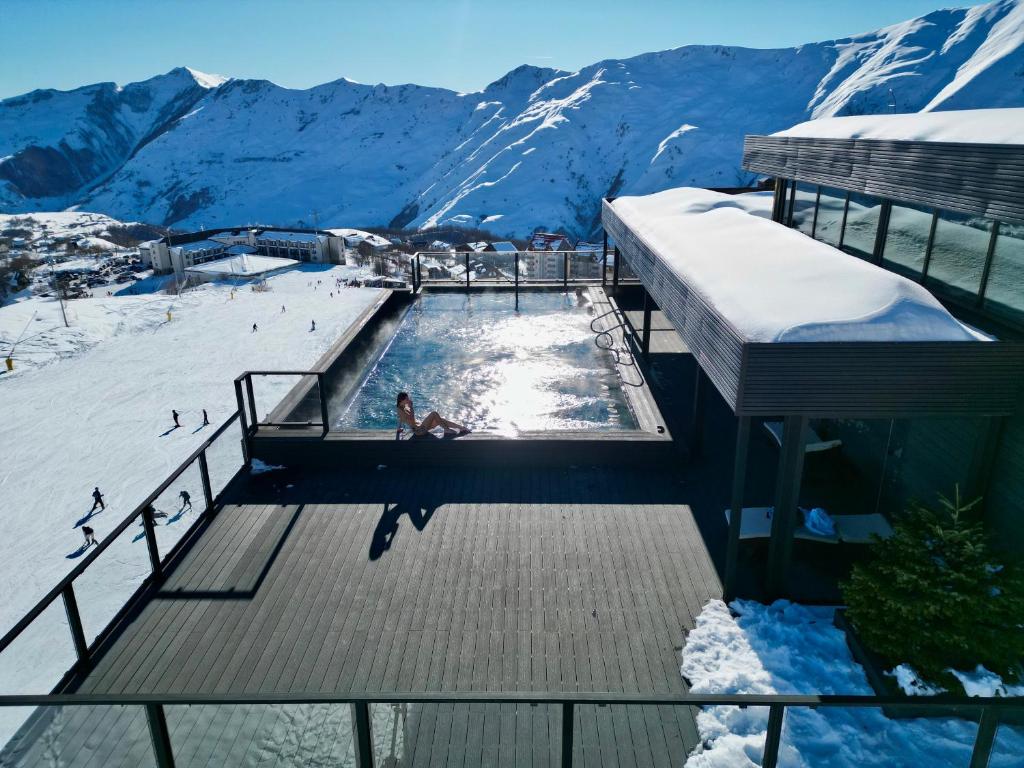
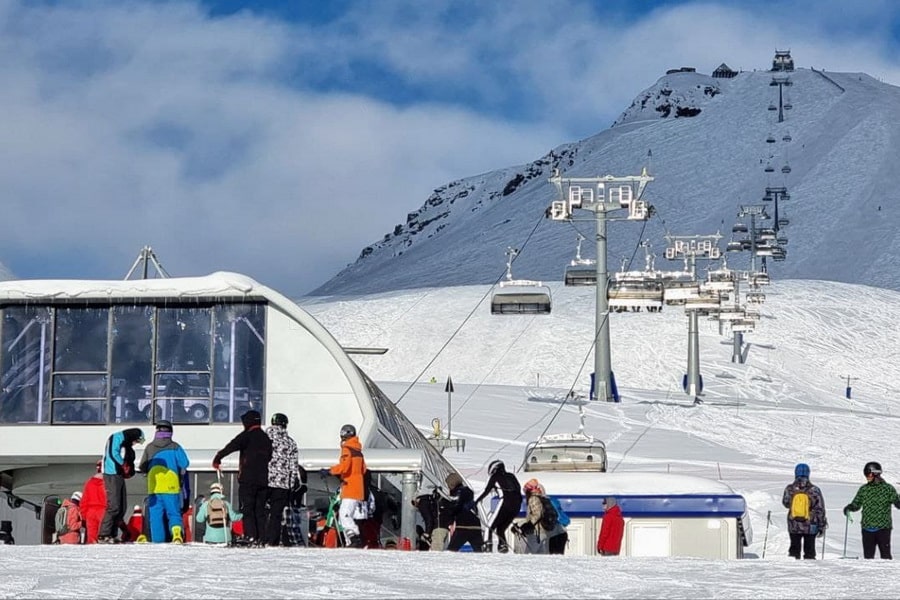
Today, the region attracts visitors seeking both cultural heritage and breathtaking mountain adventures.
A Region of Faith, Legends, and Mountains
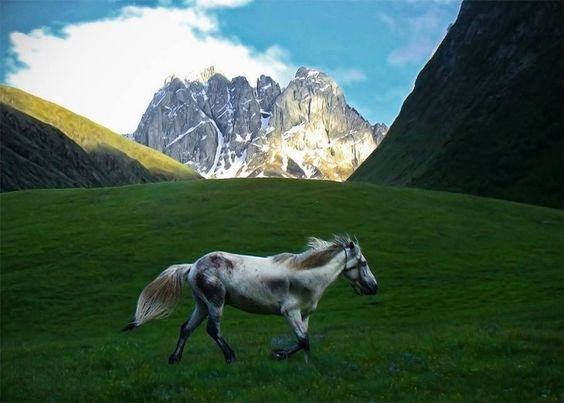
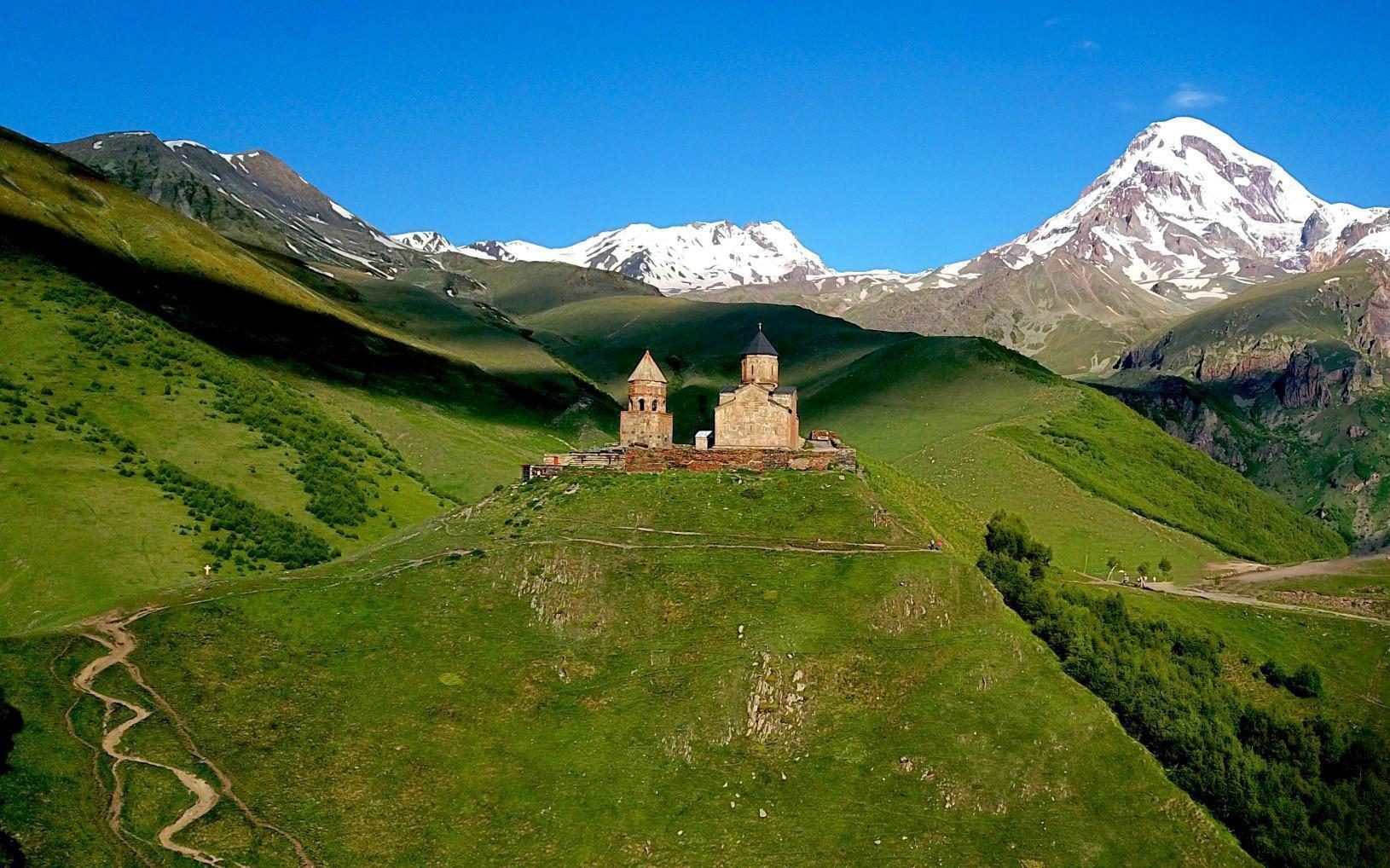
Few places in Georgia combine history and nature as dramatically as Mtskheta-Mtianeti. Ancient churches stand atop hills overlooking river valleys, while some of the highest peaks in the Caucasus dominate the northern landscape.
The region includes the historic mountain areas of Khevi, Mtiuleti, Khevsureti, and Pshavi — places where centuries-old traditions, folklore, and mountain lifestyles remain alive.
Stories of warriors, poets, and mountain clans continue to shape the identity of the region and its people.
Mountain Cuisine with Authentic Flavors
The cuisine of Mtskheta-Mtianeti reflects the region’s mountain heritage — simple, hearty, and full of flavor.
Local specialties include:
- Khinkali — Georgia’s famous dumplings, believed by many to have originated in the mountain regions;
- Mountain cheeses produced using traditional methods;
- Khabizgina-style cheese breads;
- Locally sourced meat and dairy dishes.
Meals here are often accompanied by stories, toasts, and the hospitality for which mountain communities are known.

The Lifestyle of Mtskheta-Mtianeti
Life in Mtskheta-Mtianeti is closely connected to nature. While Mtskheta offers a peaceful historical atmosphere, the mountain communities further north continue to preserve traditions that have existed for generations.
Hospitality remains one of the defining characteristics of the region. Visitors are welcomed warmly, whether in a family guesthouse in Kazbegi or a remote mountain village.
The region’s people are known for their resilience, independence, and deep respect for both tradition and nature.